


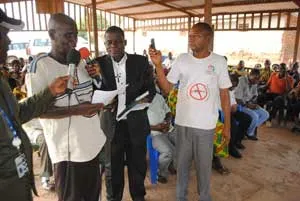
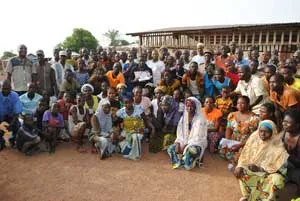
The objective of these gatherings was to find a solution to the 2011 post-electoral tensions among the residents of Diai. These tensions had created divisions between the different communities in the village.
The three-day meeting was intended to help participants identify some measures that could lead to the restoration of trust among the communities of Diai. These measures were also intended to strengthen peaceful coexistence and social cohesion for sustainable peace necessary for the development of the village.
"There is no development without peace, stability, reconciliation and social cohesion. I would like to encourage you to be engaged in dialogue and to think about the future together," he said.
According to the Prefect of Toulepleu, Karim Diarra, Diai was one of the epicentres of the post-electoral crisis. He therefore asked villagers to openly discuss their difference in an effort to end the mistrust that exists between them.
"I urge you to talk together to bring down the walls of suspicion and resentment so that donors can help you finance your activities" he said.
The chief of the Diai village, Rufi Pehe, for his part, thanked UNOCI for the initiative of the three-day dialogue.
The recent crisis, he pointed out, had a negative impact on community life. "The 2010-2011 crises have created deep social divisions between people. Without peace, we cannot have social cohesion, which is needed for sustainable development," he said.


